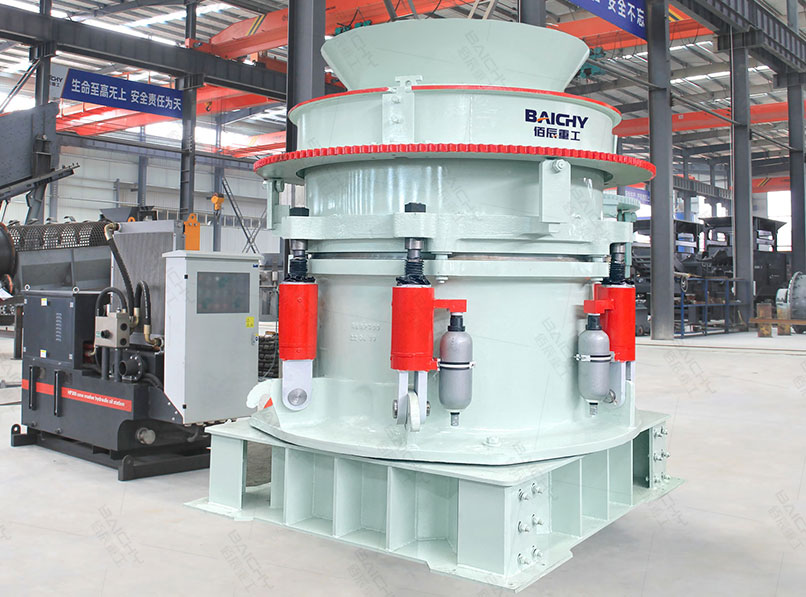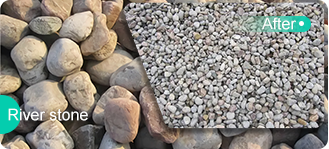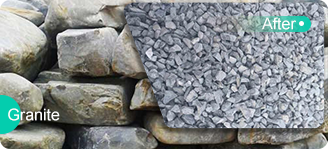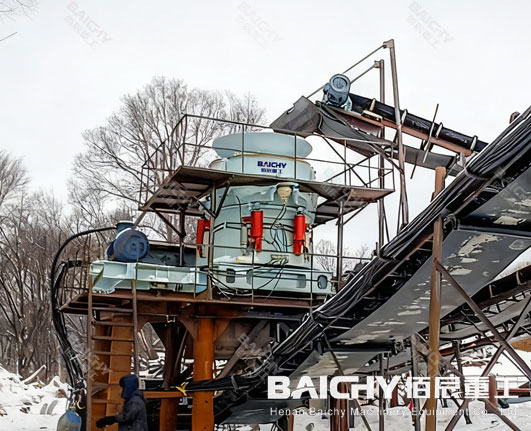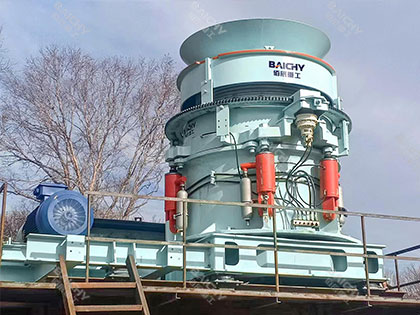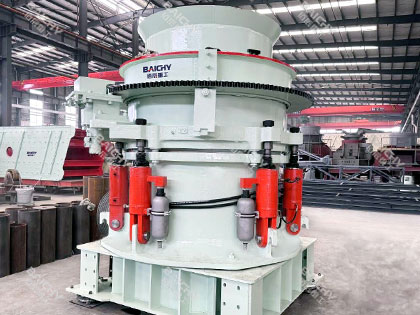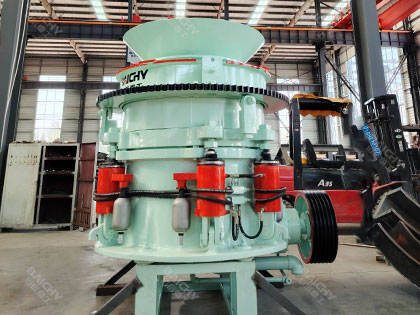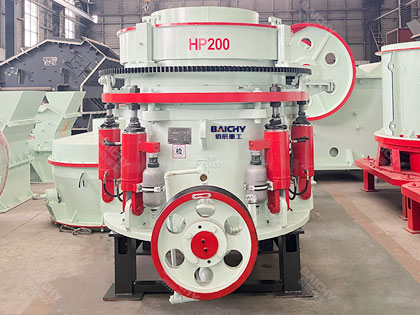
A Hydraulic Cone Crusher is a high-performance crushing machine used in mining, metallurgy, and aggregate production to break hard rocks (such as granite, basalt, and limestone). It utilizes hydraulic systems for chamber cleaning, adjustment, and overload protection, ensuring higher automation and reliability.


1. Material Characteristics. Consider the hardness, moisture content, and abrasiveness of the raw material before selecting a hydraulic cone crusher. Different materials require different crushing forces and wear-resistant components to ensure stable operation.
2. Capacity Requirements. Select a hydraulic cone crusher based on the required throughput (t/h), feed size, and production goals. The right capacity ensures efficient crushing performance without unnecessary energy consumption or equipment investment.
3. Finished Product Size. The required final product size determines the suitable crushing cavity type. Medium (M), Fine (F), and Ultra-Fine (EF) cavities are designed for different applications and aggregate specifications.
4. Budget and Total Cost. Evaluate not only the initial purchase price but also long-term operating costs, spare parts consumption, maintenance frequency, and energy usage to achieve better overall economic benefits.
5. Manufacturer Support. Choose a reliable manufacturer that provides professional technical support, installation guidance, spare parts supply, and after-sales service to ensure continuous and efficient crusher operation.


The laminated crushing principle ensures a more cubical end product with fewer needle-like particles, ideal for high-grade concrete.
The hydraulic safety system allows tramp iron or non-crushable material to pass through automatically, preventing downtime.
Hydraulic adjustment of the discharge opening (CSS) eliminates manual labor and speeds up site operations.
Optimized crushing chamber combined with high swing frequency results in a increase in throughput compared to older models.
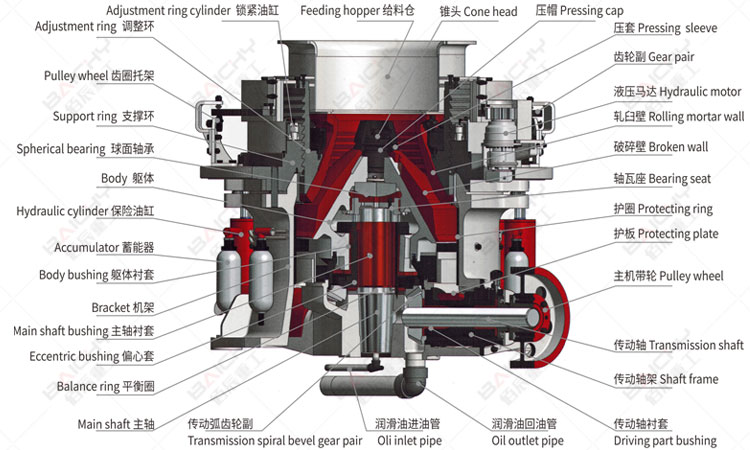
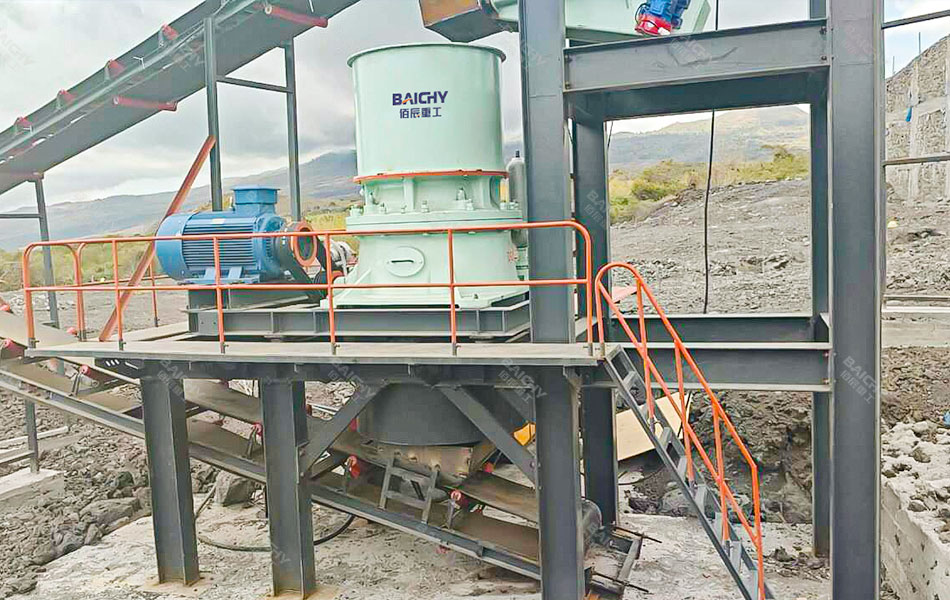
The multi-cylinder cone crusher is a typical piece of equipment used for the secondary and tertiary crushing of hard materials. During operation, the moving cone performs a gyratory motion; as it approaches the fixed cone, the material is crushed by compression and bending forces exerted by the moving cone. As the moving cone recedes, the crushed material falls from the bottom of the cone assembly under gravity, with the entire crushing and discharge process proceeding continuously and sequentially along the inner surface.
The locking and protection cylinder assembly consists of multiple locking and protection cylinders, a tramp iron protection accumulator, a set of buffer accumulators, and associated piping. The locking and protection cylinders primarily serve to provide tramp iron protection and facilitate the clearing of the crushing chamber. Each pair of hydraulic cylinders is equipped with a buffer accumulator to absorb shocks—specifically the bouncing of the adjustment ring caused by occasional hard material—during normal crushing operations.


| Model | Cavity Type |
Feed Openning Size(mm) |
Max Feeding Size (mm) |
Min Discharge Opening (mm) |
Capacity (t/h) |
Power (kw) |
|
HP100 |
Extra Coarse - EC | 140 | 110 | 19 | 65-140 | 90 |
| Coarse - C | 100 | 75 | 13 | 50-110 | ||
| Medium - M | 70 | 50 | 9 | 45-100 | ||
| Fine - F | 50 | 35 | 9 | 40-95 | ||
| Extra Fine - EF | 20 | 10 | 6 | 35-90 | ||
|
HP200 |
Extra Coarse - EC | 185 | 145 | 19 | 145-250 | 160 |
| Coarse - C | 125 | 100 | 16 | 135-235 | ||
| Medium - M | 95 | 75 | 13 | 115-220 | ||
| Fine - F | 75 | 60 | 10 | 90-190 | ||
| Extra Fine - EF | 54 | 45 | 12 | 81-190 | ||
|
HP300 |
Extra Coarse - EC | 234 | 190 | 25 | 220-445 | 220 |
| Coarse - C | 211 | 170 | 20 | 190-380 | ||
| Medium - M | 150 | 120 | 16 | 175-320 | ||
| Fine - F | 107 | 85 | 14 | 145-280 | ||
| Extra Fine - EF | 53 | 40 | 12 | 110-240 | ||
|
HP400 |
Extra Coarse - EC | 295 | 240 | 30 | 300-630 | 315 |
| Coarse - C | 251 | 200 | 25 | 285-560 | ||
| Medium Coarse - MC | 196 | 160 | 20 | 250-490 | ||
| Fine - F | 110 | 90 | 13 | 180-345 | ||
| Extra Fine - EF | 90 | 75 | 10 | 135-320 | ||
|
HP500 |
Extra Coarse - EC | 330 | 270 | 38 | 425-795 | 400 |
| Coarse - C | 290 | 230 | 30 | 370-700 | ||
| Medium Coarse - MC | 210 | 165 | 22 | 330-605 | ||
| Fine - F | 135 | 105 | 16 | 270-535 | ||
| Extra Fine - EF | 95 | 75 | 13 | 220-430 | ||
|
HP800 |
Extra Coarse - EC | 350 | 280 | 38 | 570-1200 | 630 |
| Coarse - C | 299 | 240 | 32 | 520-1050 | ||
| Medium Coarse - MC | 265 | 214 | 25 | 475-950 | ||
| Fine - F | 220 | 175 | 16 | 370-800 | ||
| Extra Fine - EF | 150 | 125 | 13 | 310-600 |
*The output will vary according to different materials, feed particle size and other factors
Save Time! Get A Detailed Quotation Quickly.